Every parent knows the moment: your kid holds up a blue crayon and a yellow crayon and asks, “What happens if I mix these?” — and you realize you’re not 100% sure yourself. That’s exactly the moment these color charts for kids were made for.
The Cosmic Color Chart collection is 10 free printable pages that teach color theory the way kids actually learn it — by doing, not memorizing. There’s the classic color wheel, a primary colors page, the rainbow in order, mixing guides, warm versus cool, soft pastels, the colors of the four seasons, and a color-by-number fish for the grand finale. No lectures. Just print, color, and watch it click.
Each chart below downloads as a free print-ready PDF. Print them for the classroom, the kitchen table, or the art corner — no sign-up, no cost, no catch. If you’ve got a young artist who keeps asking “which colors go together?”, start here.
Why Teach Colors Beyond “Red and Blue”
Color Theory Starts Early
Here’s the thing most of us forget: color mixing is a child’s first science experiment. Predict, test, observe — that’s the whole scientific method, and a three-year-old does it naturally the first time blue and yellow turn green on the page. Early childhood teachers lean on this constantly because it works: the child makes a guess (“I think it’ll turn brown”), tries it, and sees the result with their own eyes. These printable charts give that experiment a shape kids can come back to again and again, long after the paint water turns gray.
Mixing Builds Confidence
There’s a small but real shift that happens the day a child mixes their own purple. Before that, they’re a consumer of supplies — “I need the purple marker, where’s the purple marker?” After, they’re a problem-solver. They ran out of green? They’ll make more. That independence shows up everywhere: fewer interruptions while you’re cooking dinner, more “look what I figured out” moments. It’s a tiny skill with an outsized payoff, and it starts with understanding which colors make which.
Color Vocabulary Grows With Art
Words like shade, tint, warm, cool, and complementary sound like art-school vocabulary, but kids pick them up without any drilling — they just need to hear them while their hands are busy. “Let’s add white to make a tint” lands differently when there’s a chart in front of them showing exactly what a tint looks like. That language sticks around, too. School art classes, and later things like design, photography, even science, all run on the vocabulary of color. A kid who learned “complementary” at six isn’t intimidated by it at sixteen.
10 Free Printable Color Charts
Here are all ten, grouped so you can find the right starting point: the basics first, then mixing, then the playful ones. Every chart is a free PDF — click Download PDF under any design and print as many copies as you need.
Learn the Basics
The foundation every young artist needs: the color wheel itself, the three primaries everything else comes from, and the rainbow in order. If you’re only printing three, make it these.

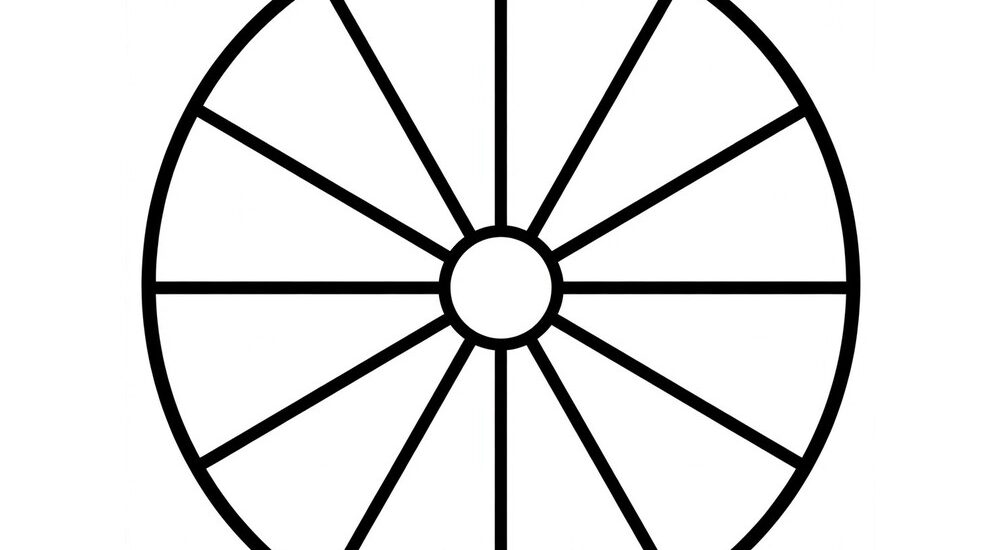
Color Wheel
The classic wheel — red, yellow, blue, and everything in between in a circle kids can actually read. Start here: it’s the map every other chart refers back to. Best first print for ages 4 and up.
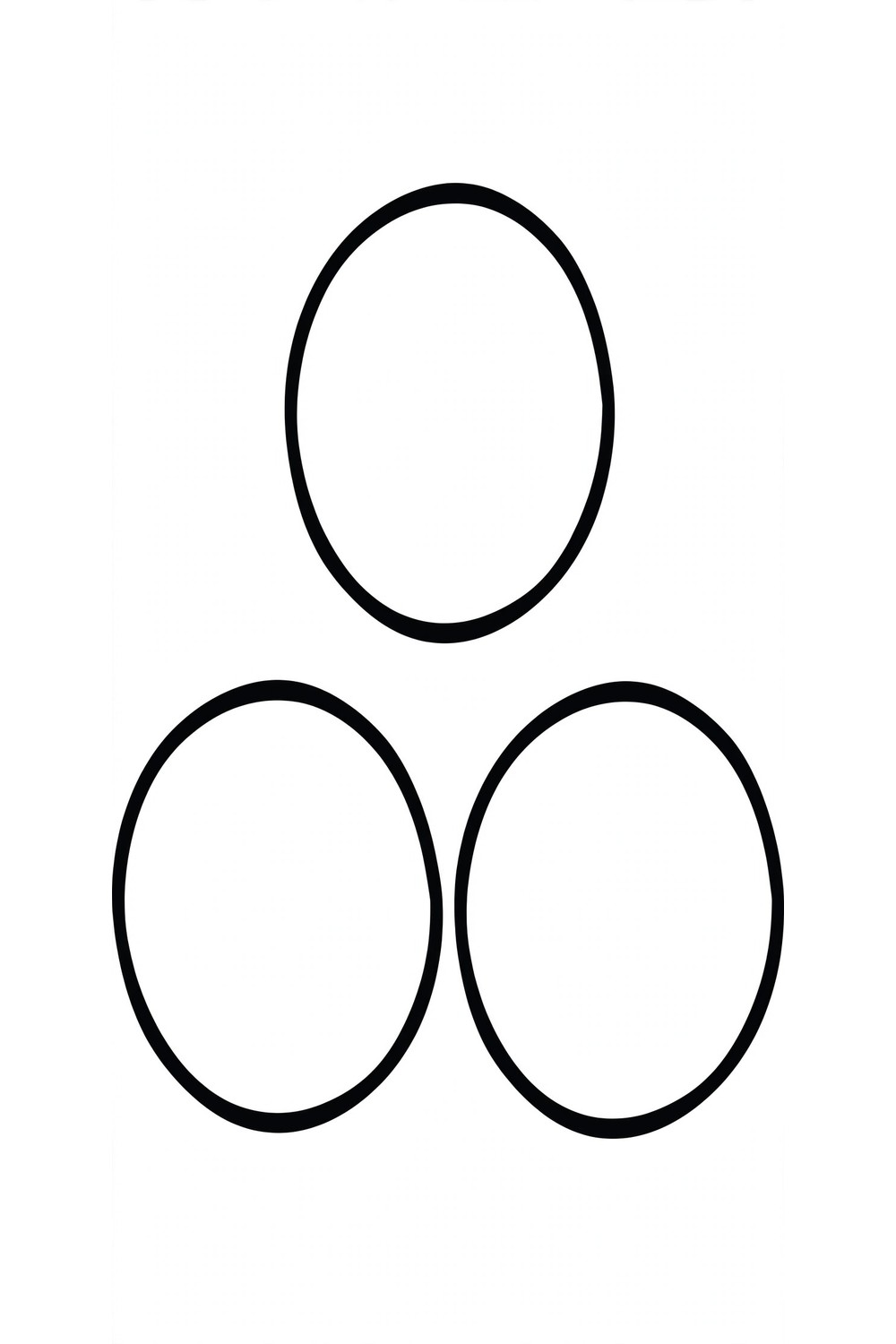
Primary Colors
Just red, yellow, and blue — the three colors you can’t mix from anything else, and the three every other color comes from. Big simple shapes for little hands. Toddlers color this one with zero frustration.
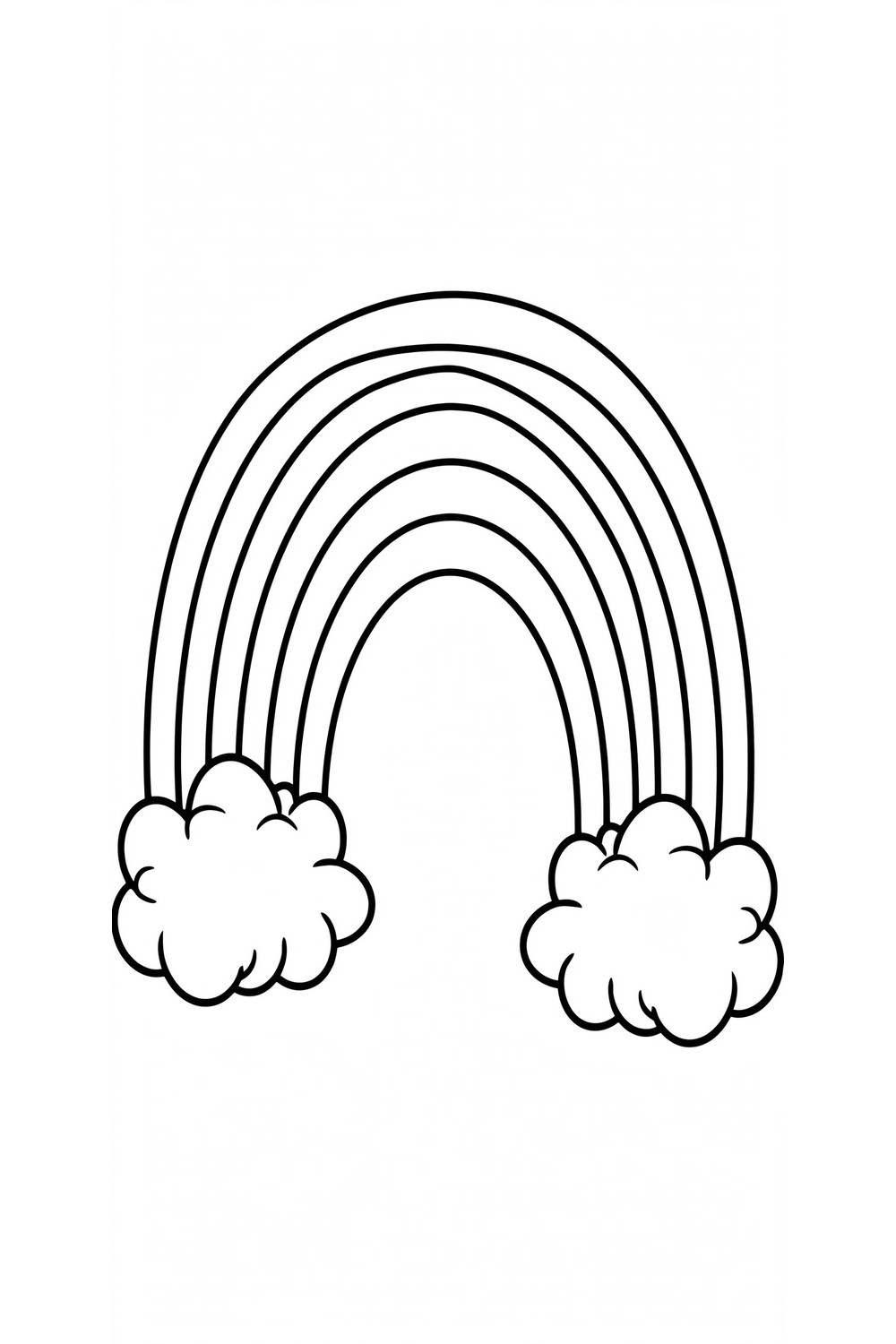
Rainbow Colors
The rainbow every kid knows from the sky, now as a chart they can color themselves. Wide bands for confident strokes, and getting the order right feels like a real achievement.
Mix and Match
Where the real magic happens — combine colors and discover what they become. Print these alongside actual paint and the kitchen table becomes a laboratory.
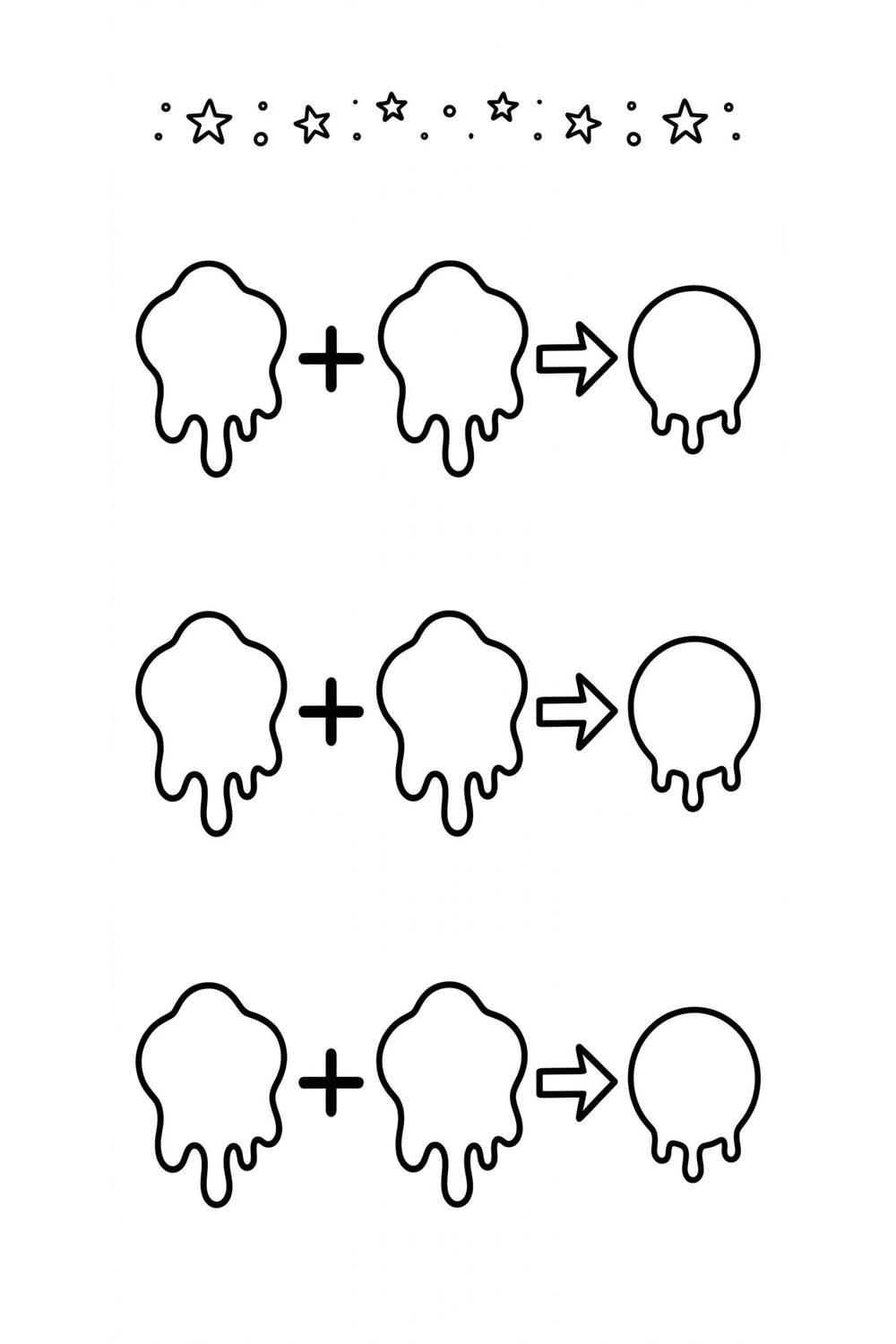
Color Mixing Guide
The “what happens if” page — blue plus yellow, red plus blue, with space to record each result. Print it next to real paint and let them test every combo. The wrong guesses are the best part.
Complementary Colors
Opposites on the wheel — red/green, blue/orange, yellow/purple — the pairs that make each other pop. Older kids love this one; it explains why their drawings suddenly look “right.”
Shades and Tints
One color, many versions — add black for a shade, white for a tint. It quietly teaches a big idea: a color isn’t one thing, it’s a whole family.
Explore and Play
Warm versus cool, soft pastels, the colors of the four seasons, and a color-by-number fish for the finale. These are the ones kids color just for fun — the learning sneaks in sideways.
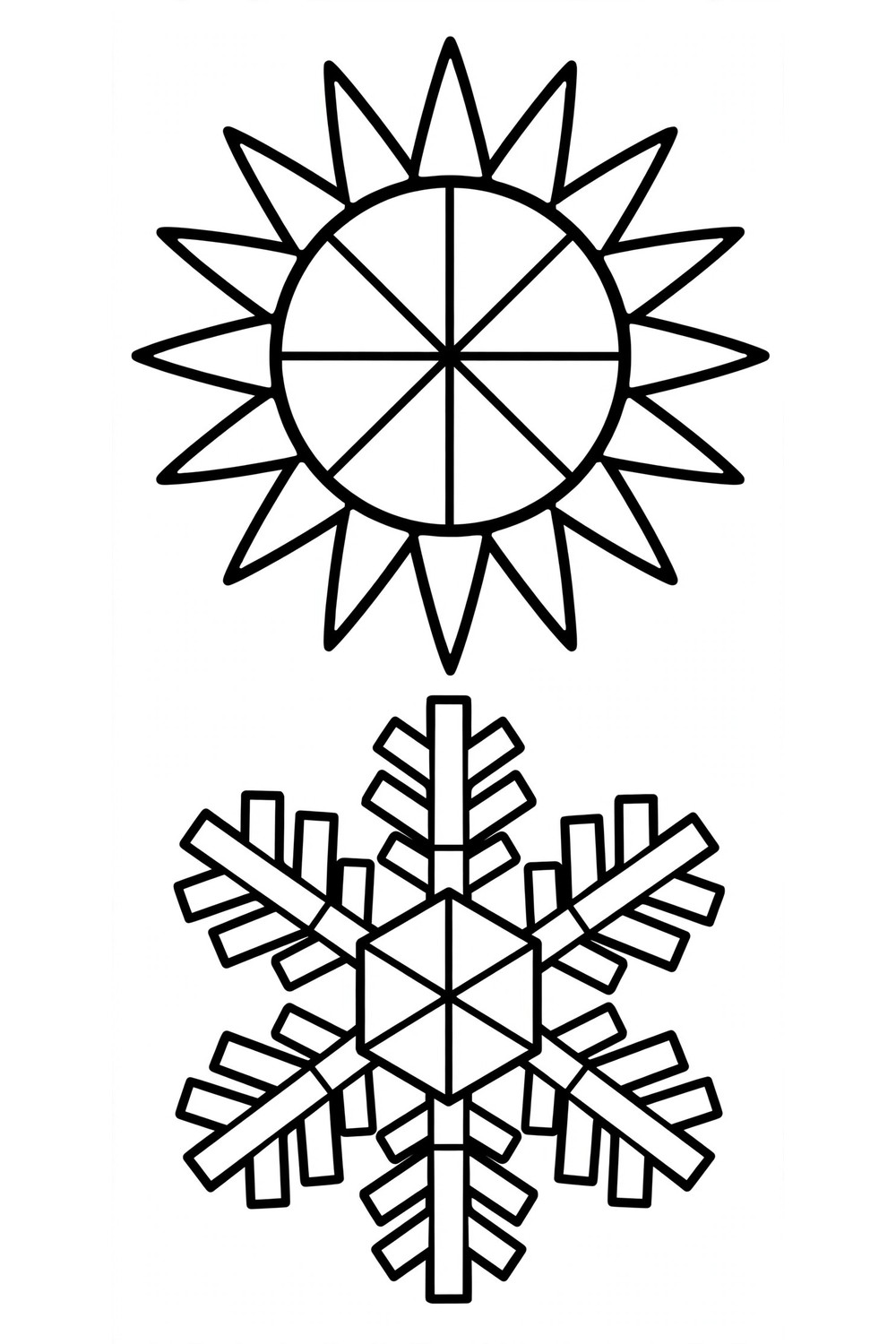
Warm and Cool Colors
Reds and oranges on one side, blues and greens on the other — the “feeling” colors. Kids get it instantly: warm like sunshine, cool like water.
Pastel Colors
Soft pinks, baby blues, mint — the gentle side of the crayon box. Calming to color, and beautiful taped to a window where light comes through.
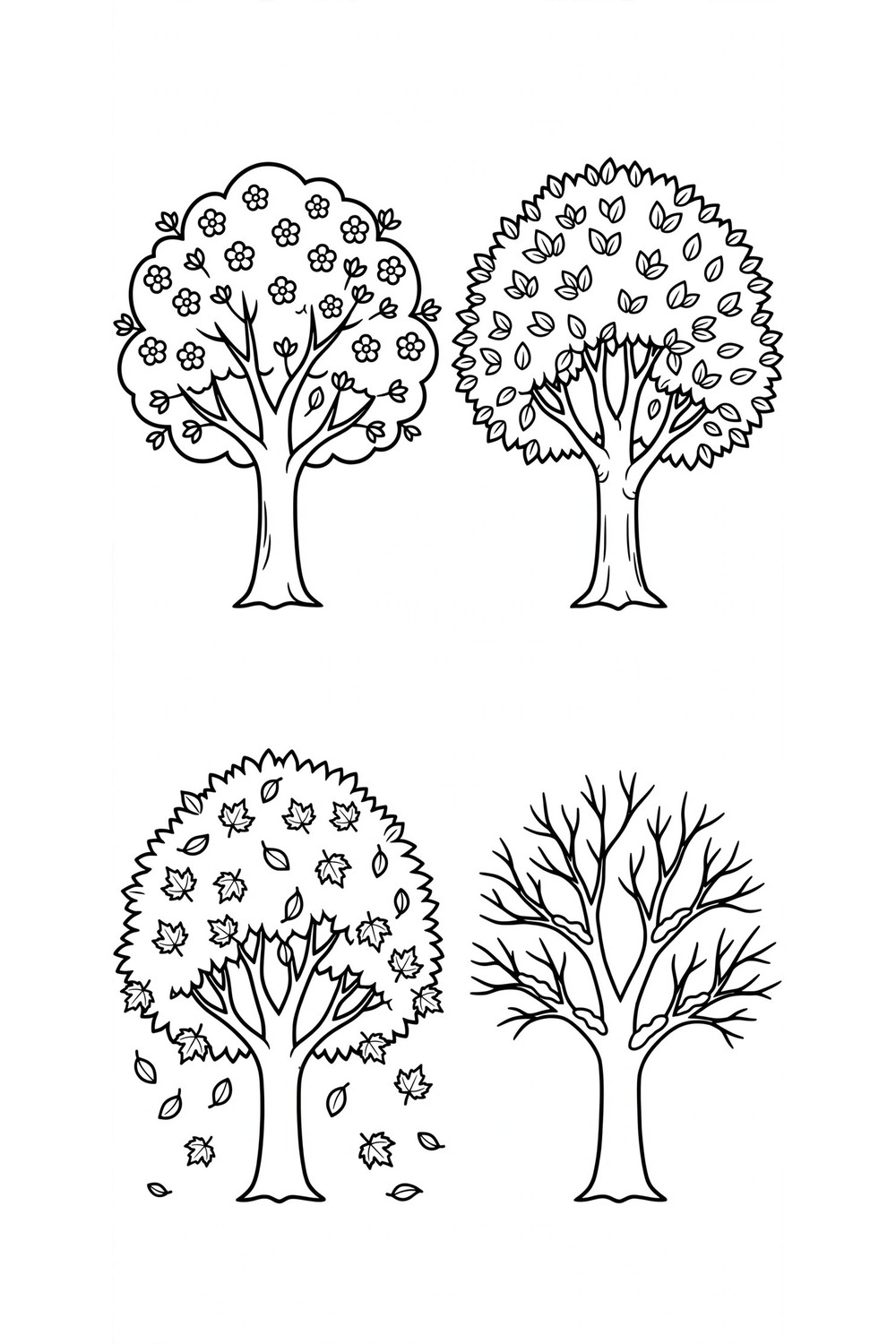
Four Seasons Colors
A tree in spring green, summer brights, autumn oranges, winter blues — the whole year in color. Take it on a walk and match what you see outside.
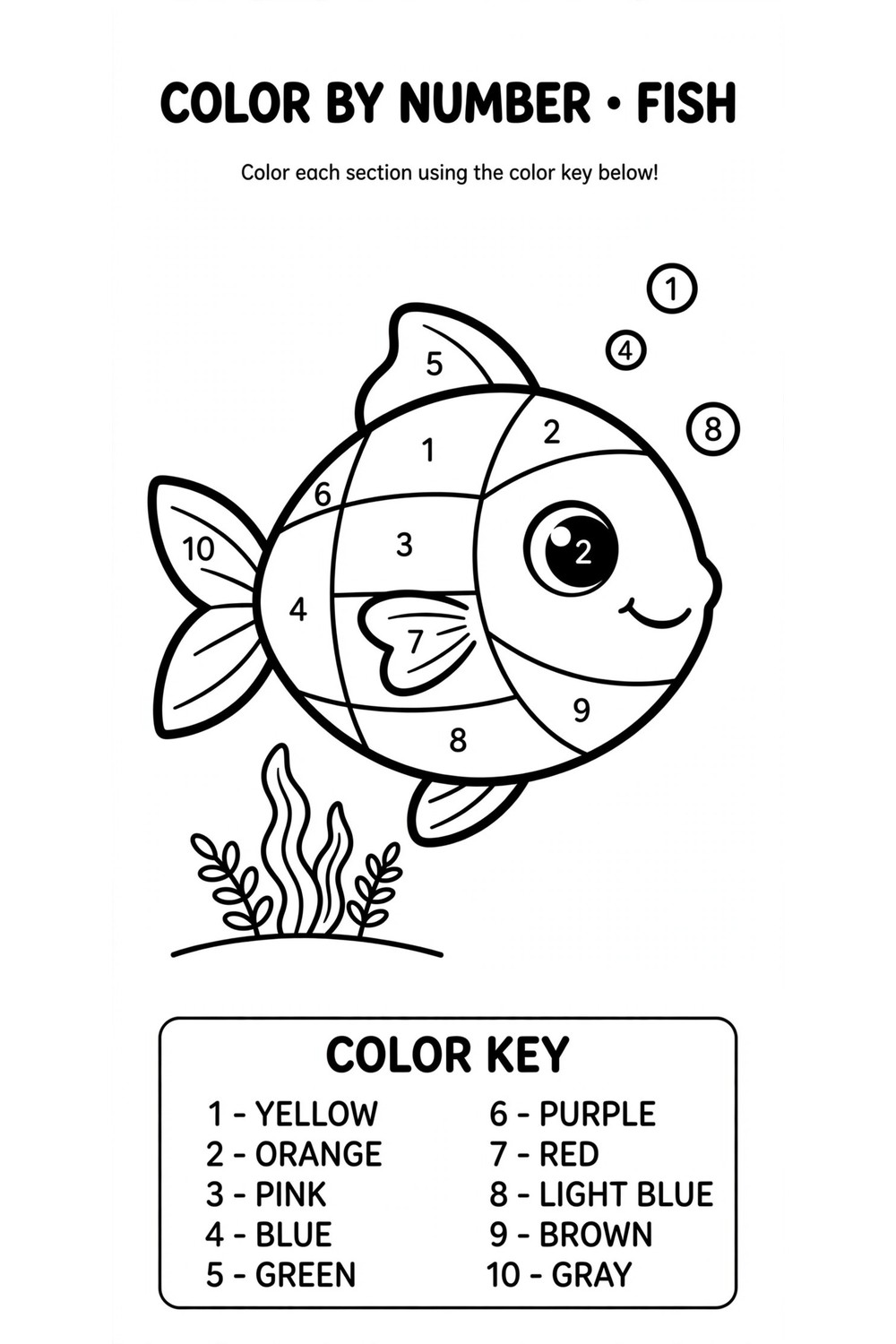
Color by Number Fish
A fish divided into numbered sections — match each number to a color and watch it appear. The surprise reveal keeps kids going to the last section. No reading needed, just numerals.
Fun Color Activities Using These Charts
Mixing laboratory. Print the color mixing guide and set out red, yellow, and blue paint — nothing else. Have your child predict each result before mixing, then check the chart. The wrong guesses are the best part; “I thought red and blue would make brown!” is a scientist being born. Put newspaper down first. Trust me on this one.
Season walk. Print the four-seasons tree, then take a walk and hunt for the season’s colors outside — a red leaf, gray bark, green moss. Color the tree to match what you found when you get home. It turns a regular walk into a mission, and the chart becomes a record of the day.
Warm/cool collage. After coloring the warm-cool chart, grab old magazines and cut out pictures, sorting them into warm and cool piles. Kids argue passionately about whether a sunset photo counts as warm (it does) — and that arguing is the lesson working.
Rainbow scavenger hunt. Color the rainbow chart together, then find one object at home for each band — something red, something orange, all the way to purple. Line them up and photograph the collection. It’s the rare activity that ends with the living room looking like art.
Frequently Asked Questions
What age are these color charts for?
Ages 3 to 10, honestly. Toddlers love coloring the big rainbow bands and the primary colors page — it’s basically scribbling with a purpose. Older kids get into the mixing guide and complementary colors, the ones that feel like unlocking a secret.
Do kids need to read to use the charts?
Nope. Every chart here is visual — colors doing the talking. You can explain any of them in about a minute (“see, the colors across from each other are opposites”), and the color-by-number fish only needs numerals. Pre-readers do just fine.
Are the color charts really free?
Completely. All 10 are free printable PDFs — no sign-up, no watermarks, no print limits. Print one for tonight’s art time or thirty for a whole classroom. It’s all free.
Can teachers use these in the classroom?
Please do — that’s what they’re for. They work as art lessons, rainy-day activities, and early science experiments (predict, mix, observe). Print a class set; the color wheel alone covers a full lesson.
What’s the best order to use the charts in?
Start with the color wheel — it’s the map everything else refers to. Then primary colors, then the mixing guide with real paint. After that, let your kid pick: warm/cool, pastels, seasons, whatever catches their eye. End with the color-by-number fish as the reward.
My kid just wants to color, not learn anything. Is that okay?
That’s actually the ideal. Nobody’s asking them to study — they’re just coloring a rainbow or mixing paint to see what happens. The learning happens underneath, without anyone announcing it. The best lessons are the ones that feel like play.
What supplies work best with these charts?
Crayons or colored pencils for the coloring itself — they handle the charts beautifully. For the mixing activities, washable tempera or watercolors (and newspaper on the table). That’s genuinely it.
You May Also Like
More free printables for young artists: